Brochure for bird watchers available in English, German, Russian and Latvian!
The geographic placement of the Slītere National Park (SNP) and the diversity of the environment in this particular place have ensured two wonderful and unique characteristics and values for it. First of all, the park is crossed by the migration routes for birds travelling from the White Sea to the Baltic Sea. Second, many rare and particularly endangered species of birds can be found in the park itself. Of the 338 species of birds ever registered in Latvia, 261 have been spotted at the SNP. Of these, 66 are uncommon and highly protected in Latvia. 140 are endangered at the European level.
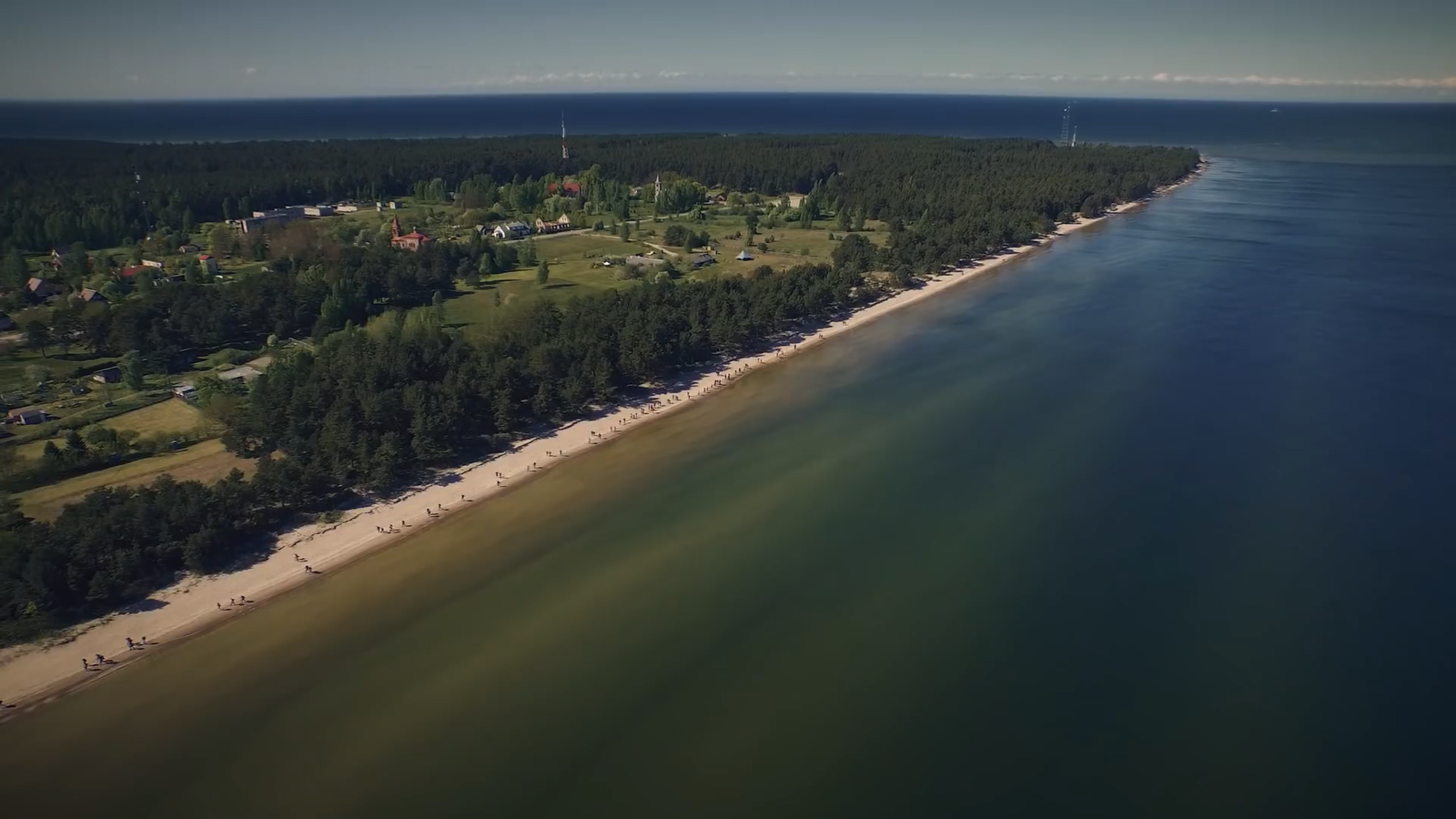
Best viewing locations. The best places to spot birds during and outside of migration season are the Ēvaži, Pēterezers, pines of Cape Kolka and Šlītere nature trails, and on the seashore by the village of Vaide and at Cape Kolka (marked on the map in a birdwatchers' brochure). During the height of the migration season, literally tens of thousands of birds fly over Cape Kolka each hour. Nearly all of the Latvian species of birds can be spotted there during the summer. The coastal waters of Cape Kolka and the Irbe narrows are an important feeding place for migrating water birds, as well as those which spend the winter there. The spring is the best time to bird-watch at Kolka – the birds fly North along the coast, and there are both land and water birds – loons, ducks, gulls and terns which see the cape as a boundary along which there are very clear streams of migration. Not all species of birds travel at the same time. Spring migration begins in late February and continues until late May. April and early May are the best viewing times. In the autumn, there are different species and fewer birds – fewer predatory and more wading birds. The migration of water birds along the cape can be quite intensive during the autumn, too.
Finding a location on Cape of Kolka (Kolkasrags). First, determine the direction of the wind. If the wind is slow (something that is not particularly typical at Cape Kolka in the autumn and winter), choose a place on the beach by the ruins of the old Kolka lighthouse. If there’s a strong westerly or north-westerly wind, choose a spot at the edge of the forest where you will be out of the wind. Most birds can be spotted from a stationary location, but if you want to see everything that there is to see, plan to spend at least a couple of hours there. The birds fly above the sea, the forest, the pine trees and the scattered shrubs. Some are always on the beach. You can also walk along the beach on both sides of the cape.
Equipment. The best binoculars for bird-watching will be 8x30 to 10x50 binoculars with an attached telescope. The binoculars will allow you to look at flocks of birds that are of interest to you, while the telescope will allow you to determine the species and other nuances about the birds. The diameter of the telescope’s lens should be around 80 mm, and it should enlarge the image by around 20 times. Bring a bird guidebook to help you if you spot an uncommon bird or one with which you’re just not familiar with.
Bird-related events at the SNP.
Two events dedicated to birds take place at the Slītere National Park each year:
Guides:
Best practice when bird-watching:
For more information see the homepage of the Latvian Ornithological Society www.lob.lv!